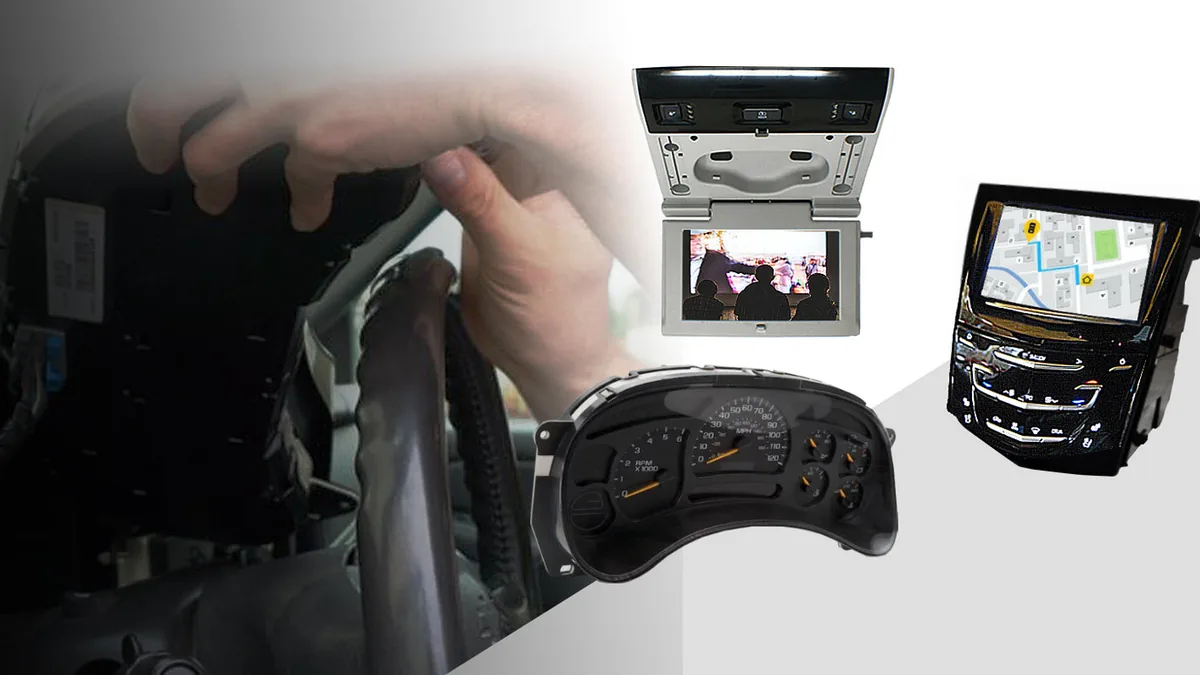

ISS Automotive has remanufactured instrument clusters, radios, and HVAC units since 1949, with more than 1.5 million units serviced and a Shopify storefront backed by Odoo. The product and reputation were already built. The problem was the phone: a verified 30-day baseline showed 94.9% of inbound calls went unanswered, and the helpdesk had no idea, because the calls never made it that far.
Where it started
The corrected 30-day baseline showed 3,067 inbound calls with only 155 answered live, and 76.7% of calls coming from numbers that had already called. In an earlier three-week count, only 21 phone-tagged tickets existed against roughly 2,161 calls, so the helpdesk data said everything was fine while the phone told the opposite story. Following the misses to revenue, roughly 413 buyers a month were walking away, and fewer than 5% of them were ever reached.
Answering the hours nobody could staff
An AI voice agent went live first on after-hours and holiday branches, where calls previously died in voicemail. It runs on a locked knowledge base of client-confirmed facts with hard guardrails: it never quotes dynamic repair prices, never invents warranty terms, and captures a callback on anything uncertain. It handled 42 calls on its first full day and now answers 69.5% of closed-hours calls.
Turning walk-aways into dial lists
Every missed call and voicemail now flows onto a ranked, self-cleaning callback worklist instead of disappearing. Three deduplicated sales-recovery lists, lost sales callers, abandoned carts and open quotes, and after-hours leads, put more than 1,000 reachable buyers in front of the team, and a dedicated sales seat was approved and placed against the backlog based on the data, not instinct.
The obvious prescription for a drowning phone line is more resolution capacity. The data said the opposite: the team resolved fine, and the failure was intake. Every build followed from that one finding.